
The rapid decline in donkey population has raised concerns in Migori County with livestock experts warning that the animals could become increasingly rare by 2050 if urgent conservation and welfare measures are not put in place.
This has been linked by the risinng trend of donkey slaughter and consumption, low reproduction rates, disease outbreaks, and poor welfare practices towards the animal.
Speaking during the World Donkey Day celebrations held at Dago Village in Uriri Sub-County, Migori County Veterinary Officer Dr. Janet Ouma said donkeys face a major threat.
Dr. Janet noted that following the previous legalisation of donkey slaughter and consumption in Kenya, donkey numbers have continued to decrease.
She further explained that donkeys reproduce much slower compared to other livestock species, making them highly vulnerable to overexploitation.
“Donkeys have a very slow reproductive cycle. Their gestation period is long, and conception also takes considerable time. This means that if slaughter continues at high levels, the donkey population could significantly decline in the coming decades,” she warned.

Dr. Ouma added that projections indicate donkeys could become extremely rare by 2050 if the current trend remains unchecked.
The event which was organised by Ripple Effect Kenya and the Donkey Sanctuary in partnership with local stakeholders, brought together farmers, veterinary officers, administrators, and animal welfare advocates under the theme: “Preserving the African Donkey is Our Collective Responsibility.”
Addressing the residents and farmers Ms Christine Wafula, the Deputy County Commissioner of Uriri Sub County urged communities to protect donkeys from abuse and neglect, describing the animals as vital to rural livelihoods, especially in transport, farming, and water distribution.
“If you see any donkey being mistreated, kindly report the matter to authorities, our offices, partners, or even the police so that together we can protect these animals,” she said.
The official noted that many farmers had benefited from sensitisation forums on proper donkey welfare, including vaccination, treatment, feeding, and humane handling
Dr Emanuel Wachabe, the Project Coordinator for the Happy Donkeys for Resilient Families Project in Migori County, outlined that they sensitise farmers on the basics of donkey welfare and the proper use of donkeys in a sustainable and humane manner, so that the animals can continue supporting livelihoods for a long time.
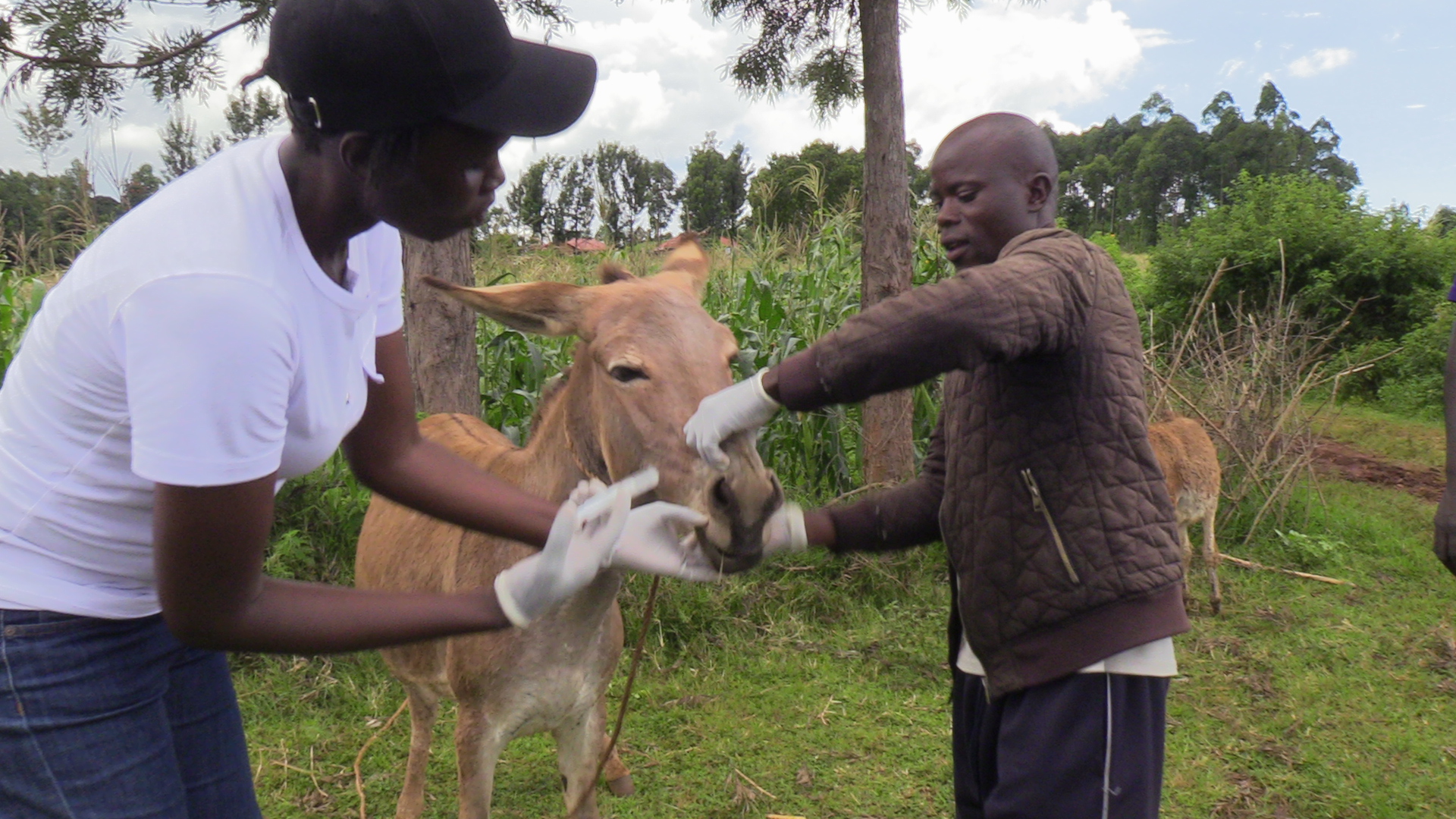
“During today’s event, we demonstrated proper donkey handling and restraining techniques,” he said.
He added that together with veterinary officers from both the public and private sectors, including the County Government of Migori, they managed dewormed 47 donkeys, treated some with clinical conditions, and demonstrated how to spray donkeys against ticks and other external parasites.
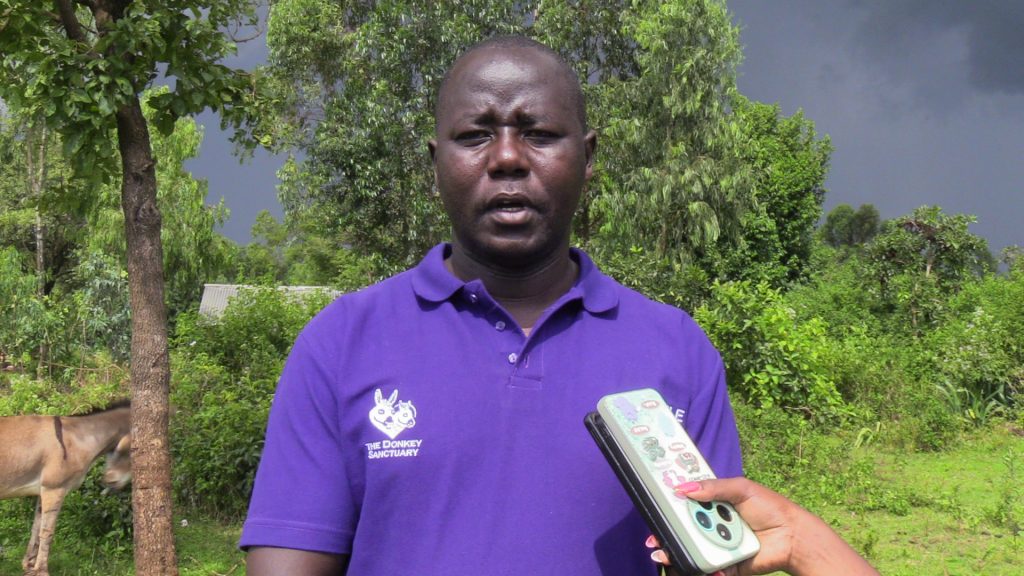
Through integrated farming systems, Wachabe outlines how donkeys can help transport water for irrigation during dry seasons, while farms can benefit from manure production, grass cultivation, fruits, and vegetables.
“We also showcased kitchen gardening technologies that farmers can adopt. The goal is to help farmers become more self-reliant and resilient.” He added.
However, he revealed that from their observations and discussions with farmers, some of the key challenges affecting donkeys include inadequate veterinary services, parasites such as ticks and tsetse flies, and wounds caused by poor harnessing materials.
These he said they have educated farmers on the importance of using proper handling and harnessing equipment, emphasising that continuous education and advocacy will remain important in addressing these challenges.
“These services will continue throughout the life cycle of the project. We are working closely with organised farmer groups and planning strategic donkey clinics to sensitise the public and address donkey health concerns.” Assures Wachabe.

Similarly, the organisation has partnered with both private and public veterinary officers from the County Government of Migori to come up with an emergency response approach to tackle donkey-related challenges.
“Whenever farmers experience challenges with their donkeys, they can reach out to us or to the veterinary teams for assistance.” He revealed.
About The Author


