
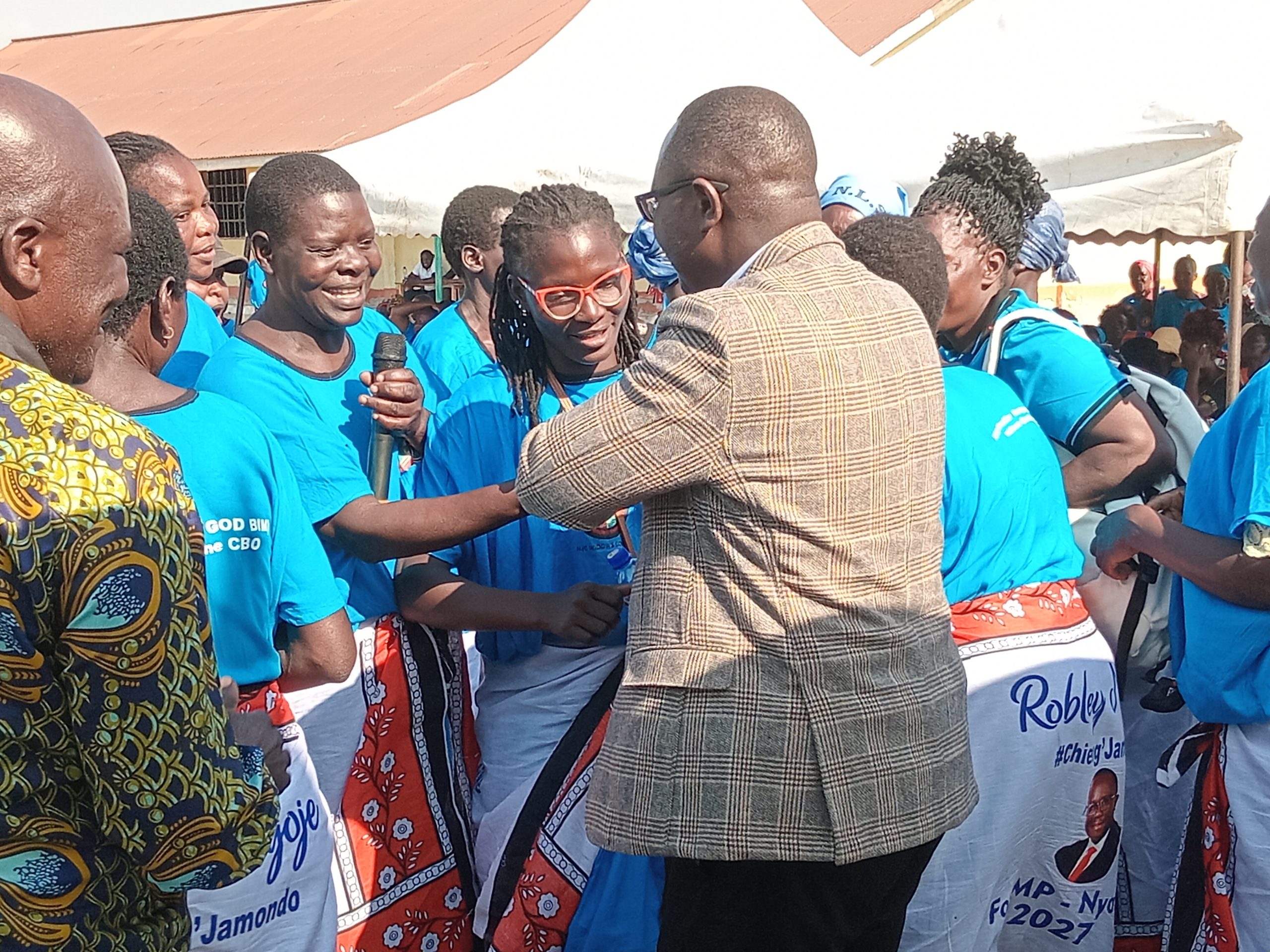
For thousands of widows across Kenya’s Nyanza region, the death of a husband often signals the beginning of a painful battle—not only against grief but against relatives determined to deny them their rightful inheritance.
Many are left vulnerable as families move swiftly to seize land, homes, businesses and other property, leaving widows and their children destitute.
Some are evicted from matrimonial homes, while others spend years trapped in costly succession disputes they cannot afford to pursue.
The consequences are devastating: children are forced out of school, families lose their primary source of income, and even basic healthcare becomes inaccessible as women struggle to pay their contributions to the Social Health Authority (SHA).
It is against this backdrop that widows from across Migori County came together to establish the Nyanza for Widows Women Group, a community-based movement aimed at restoring hope, economic independence and dignity to women whose lives have been shattered by inheritance injustices.
The group has evolved into more than a support network. It serves as a platform for economic empowerment through table banking, small business ventures and mentorship while creating a safe space where widows can openly discuss the challenges of widowhood without fear of stigma.
However, members say economic empowerment alone cannot solve the deep-rooted legal challenges that continue to rob them of their rights.
That reality has inspired a new legal empowerment programme spearheaded by Nyatike parliamentary aspirant Hon. Robley Ngoje, who says too many widows have remained victims of exploitation simply because they lack legal knowledge and the financial means to pursue justice.
“A woman should not lose her husband and then lose everything else she has built with him. Our mothers and sisters deserve justice, dignity and protection under the law,” Goj said.
“This initiative is about restoring hope to families that have suffered in silence for far too long. No widow should be denied her lawful inheritance because she cannot afford a lawyer.”
Bringing Justice to the Grassroots
Unlike conventional legal aid programmes that require victims to travel to towns and hire advocates, the initiative takes legal services directly to the villages.
The programme is being coordinated by Mr Ngoje’s wife, a seasoned advocate with more than 20 years of legal experience, working alongside women lawyers drawn from leading legal aid organizations, including FIDA Kenya.
The legal team is conducting community legal clinics where widows are educated on succession laws, inheritance rights and the procedures involved in acquiring letters of administration and transferring property.
Beyond legal education, the advocates are preparing court documents, filing succession cases and representing widows free of charge.
“Most widows are not asking for special treatment. They simply want the law to work for them,” one of the advocates involved in the programme said.
“By removing legal fees and bringing legal expertise closer to the people, we are eliminating the biggest barriers that have prevented vulnerable families from accessing justice.”
The initiative also seeks to engage judicial officers and court administrators to help expedite succession matters that have remained unresolved for years, denying families access to property they legally own.
A Widespread Problem
Property disinheritance remains one of the most persistent human rights concerns affecting widows in many parts of western Kenya.
Despite constitutional guarantees of equality and protection of property rights, customary practices in some communities continue to favour male relatives over surviving spouses, particularly where land ownership is involved.
Women’s rights organizations have repeatedly documented cases where widows are subjected to intimidation, violence and forced evictions immediately after burial ceremonies. Others are compelled to undergo harmful traditional practices before being allowed to remain on family land.
Lengthy court processes and high legal costs have often compounded the problem, leaving many women resigned to poverty despite having legitimate legal claims.
Restoring Hope Beyond the Courtroom
Members of the Nyanza for Widows Women Group believe the initiative will not only help them reclaim property but also restore their confidence and ability to provide for their families.
With secure land ownership, widows can invest in farming, access credit facilities, educate their children and rebuild livelihoods that would otherwise have been lost.
For Goj, the programme is ultimately about strengthening families and promoting peaceful communities.
“When inheritance disputes are resolved fairly and promptly, families heal, children remain in school and communities become more peaceful. Justice is not only about winning cases; it is about restoring lives,” he said.
As Migori County continues to grapple with rising cases of inheritance conflicts, the collaboration between grassroots women’s groups and legal professionals offers a practical model for protecting vulnerable families.
For the women of Nyanza, the journey from widowhood to justice remains long, but through unity, legal empowerment and community support, they are steadily reclaiming not only their property—but also their dignity, security and hope for a better future.
About The Author