
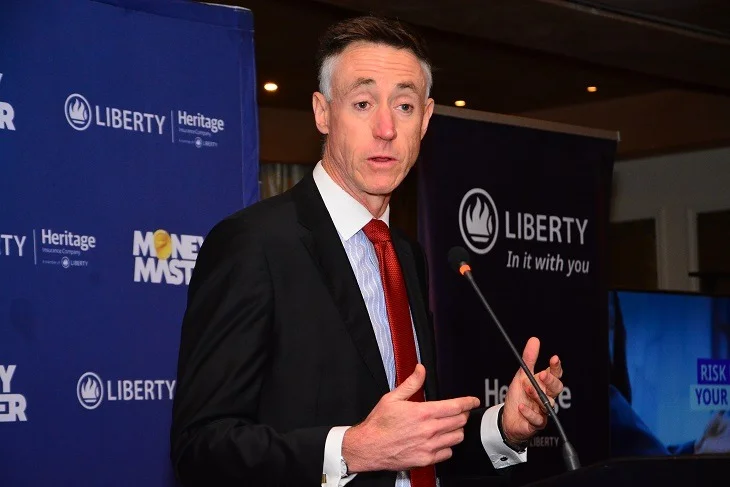
Liberty Kenya has launched two specialised health insurance products targeting some of Kenya’s most underserved groups senior citizens and children living in institutional care in a move aimed at addressing persistent gaps in medical coverage.
The new products, HeriAfya Seniors and HeriAfya Juniors, were unveiled amid growing concern over low insurance penetration in Kenya, where private health insurance covers only about four per cent of the population.
HeriAfya Seniors targets Kenyans aged between 61 and 85 years, a demographic that many private insurers have traditionally avoided due to high health risks.
The cover offers inpatient benefits ranging from Sh500,000 to Sh5 million annually, with premiums starting from Sh40,500 per year.
The package also caters for chronic and pre-existing conditions after a 12-month waiting period and includes benefits such as cancer treatment, psychiatry and psychotherapy services, home care after hospital discharge, funeral expenses and Covid-19 cover.
Spouses and dependents can also be included under the policy, while outpatient cover is available as an optional.

At the same time, HeriAfya Juniors has been introduced as Kenya’s first institutional health insurance product for children aged between 4 and 18 years living in schools, orphanages, children’s homes and NGO run welfare programmes.
Unlike conventional medical covers that rely on individual parental enrolment, the policy is taken up by institutions with at least 10 children. Premiums start at Sh8,929 annually per child for inpatient cover worth Sh500,000.
The product also includes cover for cancer treatment, HIV/AIDS, organ transplantation and mental health services, alongside wellness and career guidance programmes for beneficiaries.
Speaking during the launch, Heritage Insurance Kenya Managing Director Rosalyn Mugoh said the products were designed to bridge a long standing protection gap affecting vulnerable populations.
“We identified a clear protection gap affecting two of the most vulnerable populations in our society our elderly, who are routinely excluded from private health cover, and children in institutional care, whose protection has largely been left to chance,” she said.
According to data from the Insurance Regulatory Authority and the Kenya National Bureau of Statistics, insurance penetration in Kenya stood at 2.3 per cent of GDP in 2023 before falling further to 2.2 per cent in the first half of 2025, significantly below the global average of 7.4 per cent.
About The Author