
While Kenya is hosting the high-profile Africa Forward Summit in Nairobi under the joint stewardship of President William Ruto and French President Emmanuel Macron, the country has momentarily occupied a position of immense diplomatic significance on the African continent.
The summit, which has brought together more than 30 African heads of state alongside global investors, policy makers, and development partners, represented far more than a ceremonial gathering of dignitaries.
It symbolized Kenya’s growing influence as a regional economic powerhouse and an emerging bridge between Anglophone and Francophone Africa.
At a time when global economies are aggressively competing for investment, technological partnerships, climate financing, and infrastructure development, the Nairobi summit offered Kenya a rare opportunity to project itself as stable, strategic, and investment-ready.
The agreements emerging from the summit — touching on trade, energy, infrastructure, innovation, digital economy, and industrial partnerships — have the potential to shape Kenya’s economic trajectory for years to come.
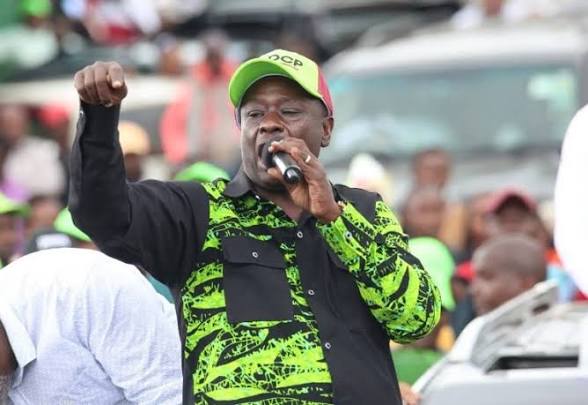
But even as the nation sought to consolidate its international standing, former Deputy President Rigathi Gachagua chose the very same moment to launch a political broadside that many critics now view as reckless, ill-timed, and damaging to Kenya’s diplomatic image.
In a combative press conference held concurrently with the summit proceedings, Gachagua reportedly attacked President William Ruto, questioned the credibility of the summit, criticized visiting dignitaries, and made serious allegations against international leaders attending the event.
Whether driven by political frustration, personal bitterness, or a calculated attempt to remain politically relevant, the optics were troubling.
There is a critical distinction between legitimate opposition politics and actions that risk undermining national interests before the international community.
Strong democracies thrive on criticism, accountability, and robust debate. Opposition leaders have every constitutional right to challenge the government, question policies, and present alternative visions for the country. That is the essence of democracy.
However, moments of international diplomacy demand a degree of restraint, statesmanship, and patriotic responsibility from leaders across the political divide.
When Kenya hosts global summits, the country is bigger than any one individual or political faction.
International conferences are not merely domestic political stages. They are platforms where nations market themselves to investors, development agencies, and foreign governments. They shape perceptions about political stability, governance, and economic reliability.
This is why mature democracies often maintain a bipartisan posture during major diplomatic engagements. Political battles may continue internally, but leaders generally avoid actions that embarrass the nation or weaken its bargaining position internationally.
Unfortunately, Kenya’s political culture has increasingly normalized perpetual confrontation where every national event becomes an opportunity for political point-scoring.
The danger with such conduct is that it gradually erodes investor confidence and damages the country’s credibility abroad.
Kenya cannot aspire to become a continental diplomatic and economic hub while simultaneously projecting internal hostility and political instability during critical international engagements.
The timing of Gachagua’s remarks therefore raised legitimate concerns about political judgment and national responsibility.
Critics argue that by choosing to publicly attack the government and visiting dignitaries during such a strategic summit, the former Deputy President risked shifting global attention away from Kenya’s diplomatic achievements toward domestic political theatrics.
This is not to suggest that leaders should remain silent about governance concerns. Far from it.
But effective leadership — whether in government or opposition — requires the ability to distinguish between moments for political contestation and moments for national unity.
Kenya’s political history offers important lessons in this regard.
Even during periods of intense political rivalry, seasoned statesmen have often recognized the importance of protecting Kenya’s international image. The late President Mwai Kibaki and opposition leaders of his era frequently disagreed sharply on domestic issues, yet major international events were rarely turned into platforms for damaging the country’s diplomatic standing.
Similarly, veteran opposition figures like Raila Odinga have at times demonstrated the ability to separate domestic political competition from broader national interests, particularly during sensitive international engagements.
The challenge facing Kenya today is not the existence of opposition politics. Democracies need strong opposition voices.
The real challenge is the growing tendency to personalize politics to dangerous extremes where national success is viewed as political defeat by rival camps.
When political leaders become so consumed by personal grievances that they cannot acknowledge national progress simply because it occurs under an opponent’s administration, the country risks descending into a toxic culture of permanent sabotage.
Kenya’s development aspirations require political maturity.
The country faces enormous challenges — youth unemployment, public debt, climate change, food insecurity, and widening inequality. Addressing these issues demands international cooperation, foreign investment, and diplomatic credibility.
Summits such as the Africa Forward Summit are therefore not public relations exercises alone; they are economic and strategic opportunities that can directly impact millions of Kenyans.
Political leaders must ask themselves a difficult question: Does their conduct strengthen Kenya’s position globally or weaken it?
Patriotism is not blind loyalty to government. Neither is it silence in the face of wrongdoing.
But patriotism does require a minimum commitment to protecting the country’s collective interests even amid fierce political competition.
Kenya deserves leaders capable of disagreeing without destroying.
Leaders who understand that while governments come and go, the nation endures.
And leaders who recognize that diplomacy, investment, and international partnerships are too important to become casualties of personal political wars.
About The Author